

Posted on November 12, 2026
Ultra-Processed Foods: What Does It Mean for Food Innovation?
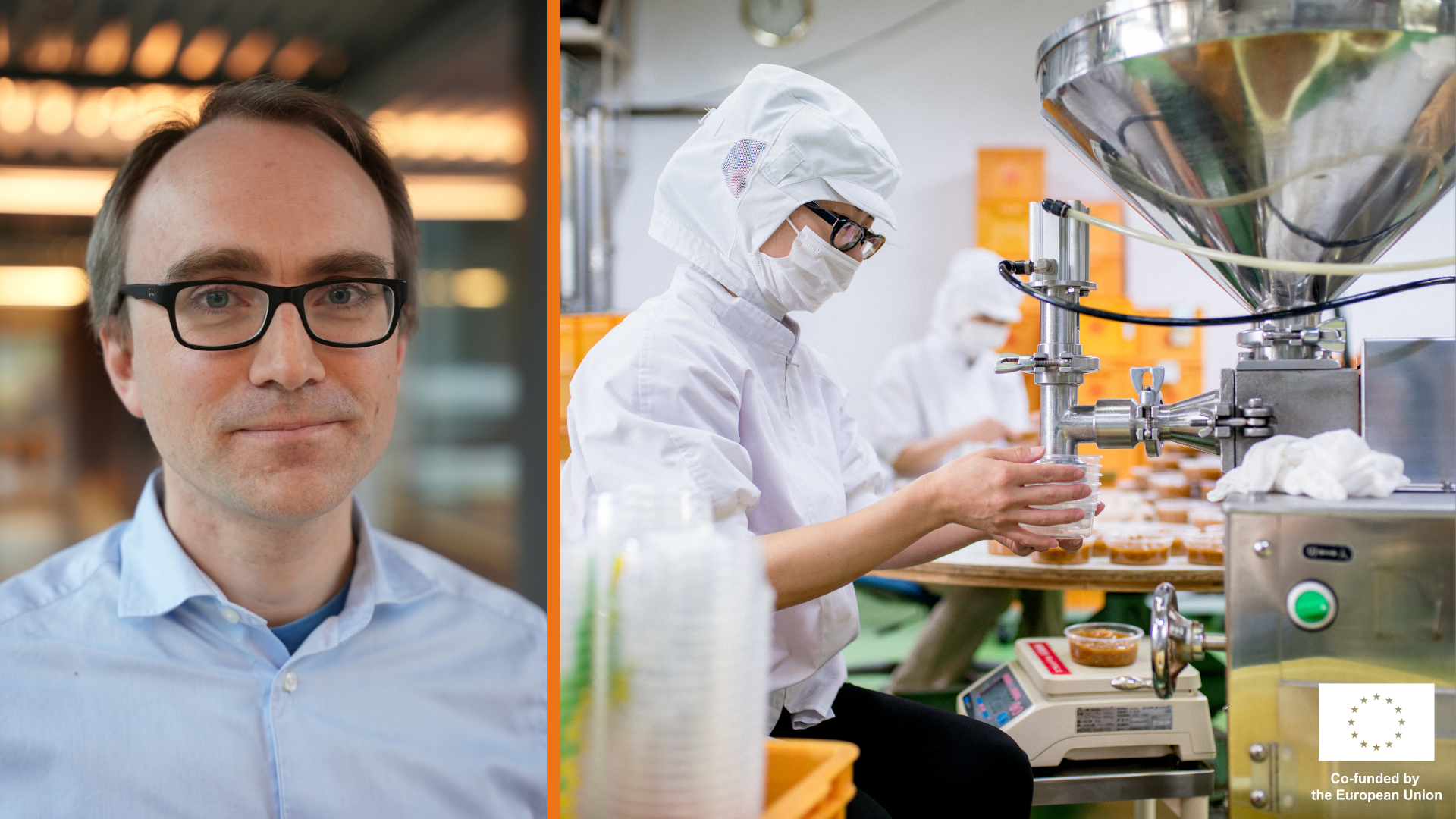
On October 26, Foodtech Innovation Network hosted an online seminar, exploring one of the most debated topics in food and nutrition: ultra-processed foods. Professor Andreas Håkansson from Lund University shared his perspective on the NOVA classification system, the scientific debate surrounding it, and what it means for companies developing the foods of the future.
Processing Is Not the Same as Formulation
A central point in Andreas Håkansson’s presentation was the distinction between food processing and food formulation. While processing refers to the physical and technological methods used to transform food, formulation is about combining ingredients to create a specific product.
According to Andreas, the NOVA classification system does not always distinguish clearly between these two concepts. He highlighted how products with very different production methods and nutritional properties can end up in the same category simply because of their ingredients or formulation.
One example was dairy products. Standardized milk and plain yoghurt are classified as minimally processed, while fruit yoghurt is classified as ultra-processed. Yet the production processes are largely similar, with the addition of fruit preparation being a key difference. This raises questions about whether NOVA reflects the actual degree of processing or primarily the formulation of a product.
One Classification, Very Different Foods
Another concern raised during the seminar was the wide range of products grouped under NOVA’s fourth category (ultra-processed). Plant-based drinks, meat alternatives, packaged wholegrain bread, ice cream, candy and energy drinks can all be classified as ultra-processed foods.
Andreas questioned whether it is meaningful to assess such different products as one group when their nutritional properties and potential health effects can vary considerably.
While epidemiological studies have found associations between high consumption of ultra-processed foods and negative health outcomes, he emphasized that these findings do not necessarily mean that every product in the category has the same effects. In his view, more detailed research into individual food products, ingredients and production methods is needed to better understand the relationship between processing and health.
Why This Matters for Food Innovation
The debate has important implications for the foodtech sector. Many companies are developing plant-based alternatives, new protein sources and innovative ingredients with the ambition of making the food system more sustainable.
If these products are automatically perceived as unhealthy because they fall into the NOVA 4 category, there is a risk that innovation could be discouraged, even when the products offer nutritional or environmental benefits.
Andreas encouraged food companies to continue developing innovative products rather than avoiding certain ingredients or technologies simply to escape a particular classification. Instead, companies should focus on nutritional quality, evaluate potential health risks through scientific research and communicate the purpose and benefits of their products.
Key Takeaways
- Processing and formulation are two different things and should be evaluated separately
- Ultra-processed does not necessarily mean intensively processed
- NOVA 4 groups together very different products with varying nutritional properties
- Food products should be assessed individually rather than judged by their classification alone
- Sustainable food innovation should not be discouraged by overly broad classifications
- Food companies should focus on nutritional quality, scientific evidence and continuous product improvement
A More Nuanced Conversation About the Future of Food
The seminar highlighted the complexity of the ultra-processed foods debate and the importance of looking beyond broad classifications. For food companies, this means continuing to innovate while remaining attentive to scientific evidence, product quality and consumer expectations.
At the heart of the discussion was a call for more detailed food science and a more nuanced understanding of how ingredients, formulations and processing methods affect the food we eat.
Looking Ahead: Food Preparedness and Resilience
Our next online seminar will explore another important topic for the future of the food system: food preparedness and resilience.
Join Hugo Malm, responsible for communications at FORCE, for an introduction to food preparedness in Sweden and the role of research in strengthening resilient food systems. FORCE is a collaborative initiative bringing together actors from across the food system, including universities, public authorities, regions, municipalities, food producers, retailers and preparedness organisations, to strengthen the resilience, sustainability and competitiveness of the Swedish food system. The online seminar is exclusive to members of Foodtech Innovation Network.